 365 Meds Online 24-7 – Finding your way to a better lifestyle

When facing a daunting medical diagnosis, the immediate assumption for many patients is that an operating room is in their near future. The word surgery carries heavy weight, often accompanied by valid concerns about prolonged recovery times, potential complications, and significant lifestyle disruptions. However, the medical landscape has shifted dramatically over the past few decades. For a wide array of conditions, the scalpel is no longer the first line of defense.
Physicians increasingly prioritize conservative management, leveraging rapid advancements in pharmacology, physical therapy, and targeted interventional techniques to heal the body or manage symptoms effectively. This paradigm shift not only reduces patient risk but frequently yields long-term outcomes comparable to invasive procedures. By exploring non-surgical treatment options for common yet impactful medical conditions, patients can make highly informed, confident decisions about their personal healthcare journeys.
Managing Chronic Joint and Spine Issues Without the Scalpel
Orthopedic ailments, particularly osteoarthritis and chronic lower back pain, are among the leading causes of global disability. Historically, severe cases almost inevitably led to joint replacements or complex spinal fusions. Today, a robust tiered approach to non-surgical care keeps millions of individuals active, mobile, and pain-free.
The Foundation of Physical Therapy and Biomechanical Correction
The absolute cornerstone of non-surgical orthopedic care is structured physical therapy. Rather than simply resting an aching back or a deteriorating knee, modern protocols involve active, dynamic rehabilitation. Physical therapists utilize targeted exercises to strengthen the specific musculature surrounding a compromised joint. This effectively creates a natural biological brace that absorbs daily shock and reduces the painful bone-on-bone friction associated with cartilage loss.
For chronic back pain, therapies focus heavily on core stabilization, postural correction, and improving flexibility in the hips and hamstrings. By addressing the root biomechanical imbalances that cause pain rather than just masking the symptoms, patients frequently achieve sustained relief that over-the-counter medications simply cannot provide.
Advancements in Orthobiologics and Injectable Therapies
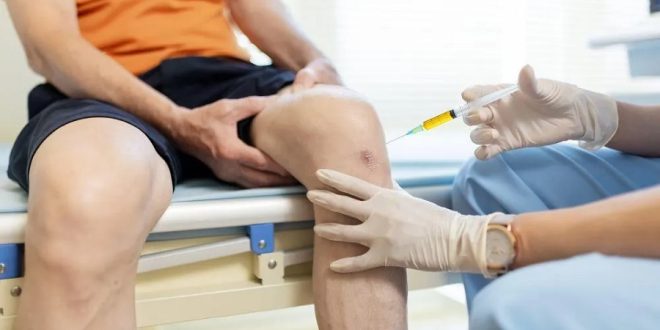
When exercise and physical therapy reach a natural plateau, physicians often turn to injectable treatments to directly alter the inflammatory environment within the joint. Corticosteroid injections remain a highly reliable method for rapidly quenching acute, severe inflammation flare-ups. However, the orthopedic field has expanded well beyond traditional steroids.
Hyaluronic acid injections, frequently referred to as viscosupplementation, work by replenishing the thick, natural lubricating fluid within weight-bearing joints like the knee, facilitating smoother movement and reducing mechanical pain. More recently, orthobiologics such as Platelet-Rich Plasma (PRP) therapy have gained massive traction. By isolating and concentrating the healing factors from a patient’s own drawn blood and injecting them directly into damaged tissue, this approach aims to stimulate the body’s intrinsic cellular repair mechanisms, offering a powerful bridge between conservative care and surgical intervention.
Addressing Heart Disease Through Conservative Measures
Coronary artery disease is a formidable diagnosis, often conjuring frightening images of open-heart bypass surgeries and emergency stent placements. While these procedures are undeniably life-saving for acute blockages and heart attacks, the day-to-day management of stable angina and early-stage arterial disease leans heavily on aggressive, non-surgical lifestyle and medical strategies.
Lifestyle Medicine as a Primary Intervention
The concept of lifestyle as medicine is nowhere more potent than in the field of cardiology. For patients diagnosed with stable coronary disease, radical dietary shifts can halt and occasionally even regress the dangerous accumulation of arterial plaque. Adopting whole-food, plant-based, or Mediterranean dietary patterns dramatically lowers systemic inflammation.
Supervised cardiac rehabilitation programs combine customized aerobic exercise with nutritional counseling and critical stress management techniques. Stress reduction is not merely a psychological comfort; it is a physiological necessity. Chronic elevated cortisol and adrenaline levels actively damage the fragile endothelial lining of blood vessels. Incorporating mindfulness, structured relaxation, and prioritized sleep hygiene into a treatment plan directly lowers cardiovascular risk without requiring a single incision.
Next-Generation Pharmacological Management
The pharmaceutical arsenal against heart disease has grown exponentially, giving doctors incredible tools to stabilize the cardiovascular system. Statins remain the bedrock for lipid management, but newer classes of medications offer unprecedented control over lingering risk factors. PCSK9 inhibitors, for example, can dramatically lower LDL cholesterol in patients who cannot tolerate traditional statins or who possess stubborn genetic predispositions.
Furthermore, the recent repurposing of certain advanced diabetes medications has shown remarkable secondary benefits in actively protecting the heart muscle and reducing the risk of major cardiovascular events. Through meticulous, personalized medication management, cardiologists can stabilize vulnerable arterial plaques and optimize overall heart function, frequently delaying or entirely eliminating the need for mechanical revascularization.
Taming Digestive Disorders Conservatively
Conditions affecting the gastrointestinal tract, such as Gastroesophageal Reflux Disease (GERD) and gallstones, are incredibly common and can severely degrade a patient’s quality of life. While surgical options like fundoplication or gallbladder removal are definitive fixes, they are no longer viewed as the automatic first step for every patient.
Comprehensive Management of Severe Acid Reflux
GERD occurs when the lower esophageal sphincter fails to close properly, allowing caustic stomach acid to wash back upward into the delicate esophagus. Before considering a surgical tightening of this valve, gastroenterologists employ a strict combination of behavioral modifications and potent medications. Dietary triggers like caffeine, alcohol, and high-fat foods are systematically identified and eliminated. Patients are also advised on positional therapies, primarily elevating the head of the bed to utilize gravity against nighttime reflux episodes.
Pharmacologically, Proton Pump Inhibitors (PPIs) are utilized to significantly suppress gastric acid production, allowing the eroded esophageal lining the necessary time to heal. For the vast majority of sufferers, a carefully monitored regimen of these medications, occasionally supplemented by specialized drugs to speed up stomach emptying, controls the disease entirely and prevents long-term cellular damage.
Dissolution Therapy and Watchful Waiting for Gallstones
The discovery of gallstones on an ultrasound often incites immediate panic, yet the medical reality is that the majority of gallstones are entirely asymptomatic and require no treatment at all. This highly successful medical strategy is known as watchful waiting.
For patients who experience mild, infrequent symptoms but are poor surgical candidates due to age or other health conditions, oral dissolution therapy serves as a viable alternative. Medications containing concentrated bile acids can slowly dissolve specific types of cholesterol gallstones over a period of months to years. While this requires patience and strict adherence to a daily medication schedule, it allows patients to retain their gallbladder and avoid the digestive adjustments that often follow surgical removal.
Relieving Nerve Compression Without Invasive Procedures
Peripheral nerve compression syndromes, most notably Carpal Tunnel Syndrome, cause debilitating pain, tingling, numbness, and grip weakness. The median nerve becomes painfully squeezed as it passes through the narrow anatomical passageway in the wrist. While carpal tunnel release surgery is a highly effective outpatient procedure, conservative treatments are remarkably successful for those in the mild to moderate stages of the condition.
Ergonomic Intervention and Mechanical Splinting
The immediate non-surgical response to nerve compression involves altering the external mechanical forces causing the internal issue. Nocturnal splinting is a highly effective, surprisingly simple intervention. Because most people naturally curl and bend their wrists while sleeping, wearing a rigid brace keeps the wrist locked in a neutral position. This maximizes the physical space within the carpal tunnel and relieves direct pressure on the median nerve.
When accompanied by comprehensive ergonomic workplace adjustments—such as altering keyboard angles, utilizing specialized vertical mice, and taking frequent micro-breaks to perform nerve-gliding stretches—these mechanical interventions often resolve symptoms entirely by removing the repetitive daily strain that triggered the localized inflammation.
Targeted Anti-Inflammatory Therapies
When mechanical adjustments and night splinting do not provide sufficient symptom relief, targeted anti-inflammatory treatments are the next logical step in the conservative care pathway. Oral nonsteroidal anti-inflammatory drugs can reduce generalized tissue swelling, but localized corticosteroid injections directed right into the carpal tunnel are far more potent and effective.
By delivering a concentrated dose of anti-inflammatory medication directly to the swollen tendons surrounding the nerve, the spatial crowding is rapidly reduced. This highly targeted intervention can provide months or even years of profound relief, giving the irritated tissues adequate time to heal naturally without the need to surgically sever the transverse carpal ligament.
Empowering Patients Through Conservative Care
The modern era of medicine is defined not just by what can be accomplished inside a sterile operating room, but by the remarkable, life-altering interventions available in standard clinical settings. From managing the mechanical wear and tear of osteoarthritis with regenerative injections to stabilizing severe coronary artery disease through aggressive lifestyle modification and pharmacological management, non-surgical options have never been more advanced or accessible.
Choosing a conservative treatment path does not mean a patient is settling for suboptimal care. In many instances, it represents the most sophisticated, patient-centric, and evidence-based approach to true healing. However, this path requires a highly collaborative relationship between patient and physician. It relies heavily on patience, strict compliance with prescribed therapies, and a genuine willingness to modify long-standing lifestyle behaviors.
Surgery will always remain a vital, life-saving tool in the medical arsenal, but it is a tool best reserved for situations where less invasive, highly effective strategies have been thoroughly exhausted. By fully exploring non-surgical treatments first, patients can preserve their natural anatomy, avoid the inherent risks of invasive procedures, and often achieve the vibrant, healthy lives they seek.


